
More Than a Habit: Gentle Steps to Wean from Thumbs or Pacifiers

As parents, we can often see thumb sucking or pacifier use as just a "cute habit," but it is actually a significant signal from your child's body. By age six, 60% of jaw growth has already occurred, and persistent sucking acts like a physical mold, altering your child's natural facial development.
This "mold" can lead to a high, narrow palate that encroaches on nasal space (leading to mouth breathing or snoring), forces the tongue into a low position (causing picky eating or speech hurdles), and shifts the actual silhouette of the face. And quiet frankly, to navigate that all as they get older can get very pricey.
Thumb Sucking: Why and What Helps?
Many kids who suck their thumbs and struggle to wean aren't doing it "just because"—they are trying to solve a physical imbalance.
The "Why":
Airway Support: Some children instinctively use their thumb to prop the tongue down and forward, making breathing feel easier—especially if the tongue doesn't naturally rest on the palate.
Vagus Nerve Soothing: Pressure on the palate creates a calming, self-regulating effect on the nervous system.
Comfort + Habit: Over time, the body learns to rely on this pattern even after the original physical need is gone.
How to Help:
The Nightly "Layering": Follow a specific routine: Apply magic lotion $\rightarrow$ use digitape or a band-aid $\rightarrow$ put on a decorated sock (you can even pin it to PJ sleeves!).
Positive Reinforcement: Use small stickers when you find them not sucking during the day (like while watching TV) and big stickers if they wake up with their thumb covering still on.
Palate Stimulation: Offer a non-sugary snack before bed, like a pretzel, to stimulate the palate.
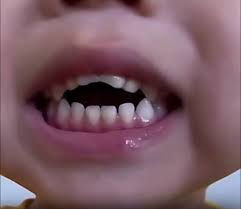
Pacifiers: Why and When to Wean?
Pacifiers meet real sensory and developmental needs, but prolonged use can reshape the palate and delay speech or solids.
The "Why":
Organizing the Body: They help organize the suck-swallow-breath pattern and organize the nervous system.
Compensating for Posture: If the tongue isn't resting on the palate, a pacifier can create that "full" feeling the mouth craves.
Jaw Positioning: Some use them to position the jaw in a way that feels easier for breathing.
How to Help:
Limit Access: Keep pacifiers in one dedicated spot, like a "paci box," instead of everywhere in the house.
The Timeline: Aim to wean to naps only by 10 months and eliminate the habit entirely by 1 year.
Comfort Replacements: Offer a "lovey," blanket, or a new calming routine to replace the sensory input.
A Little "Pro Secret" for Success
Instead of just taking the habit away, we have to teach the tongue where it should go.
The Secret Tip: Try a "Tongue Tickle." Have your child tickle the roof of their mouth with their tongue for 10 seconds. You can also try a "Tongue Cave Competition" where you race to see who can suction their tongue to the roof of their mouth and hold it the longest with a relaxed face, relaxed neck, and breathing through the nose. This builds the connection between the tongue and the palate that the thumb or paci used to provide. The biggest consideration here is the quality of how your child does this, not the quantity!
Tried All These With No Success?
If you’re feeling frustrated, it’s time for a little "gym-style" self-reflection. Weaning a habit is like an adult starting a fitness journey. One run on the treadmill does not get you in shape. Be honest with yourself: Have you been consistent? Did the paci "accidentally" find its way back into the car during a long drive? Do we see that thumb sneak back in the mouth and realize we did not do a sensory or calming routine? Habits take repetition to break. If you haven't been 100% consistent, that’s okay. Take a breath, give yourself some grace, and try again starting today.
Beyond consistency, the second most common reason we see families with decreased success in applying the strategies above is because the oral cavity and/or airway needs more support. Maybe this child was also one that had recurring ear infections, unable to latch at breast, difficulty finding a bottle to take, history of tongue/tie, tubes in the ear, etc. Children with symptoms similar to these often have a harder time weaning and require more support. This can look like specific exercises, guidance, and a routine that is personal to your child's unique needs. Working with an oral myofunctional therapist at Lingua allows us to uncover what your child's mouth and nervous system are actually asking for. This allows you to not just take something away from them, but rather, support them with what their little bodies are asking for.
When You Need an Expert
If you’ve been consistent and you’re still stuck, it may be because your child’s mouth, airway, or nervous system is asking for something more. Again, give yourself some grace, you are a parent, not an oral specialist. Pacifiers do not come with how to guides, and we know children don't either. For this, we offer a few ways to give that dedicated, credentialed, and experiences support:
DIY Roadmap: Purchase our Thumb Sucking Weaning Guide or Pacifier Weaning Guide
The Quick Check: Book a $75 Consultation. 30 minutes with one of our specialists to get education on thumb or pacifier sucking, strategize a weaning plan, or ask any questions you may have about the influence of these habits on your child!
The Deep Dive: Schedule a $175 Comprehensive Evaluation to look at tongue posture, breathing, and oral development. This is a deeper look at how these habits are altering development.
We are available virtually, in-office in Pittston, PA, or via in-home visits in Doylestown, PA and Montrose, CO.

Comments